
We know that for adults, social isolation can disrupt sleep and eating. But what about infants and preschoolers? Do fewer playdates, smaller households, or more time spent alone affect their daily rhythms?
A recent study in our lab explored exactly this question. Parents of over 500 children under six years reported on their child’s sleep, eating habits, and social contact. This was done during the pandemic lockdown – a framework that changed the extent of social contacts for many.
What the study found
- Sleep patterns shifted, but not because of social contact. Some children went to bed later, took longer to fall asleep, or woke up more often — but these changes were not linked to the amount of social interaction.
- Eating habits were stable. Most children ate as usual. Only a small group of preschoolers with very restricted contact tended to eat larger meals.
- Family life protects. The presence of caregivers seems to buffer young children against the negative effects of reduced social contact seen in older kids and adults.
Why this matters
The findings suggest that for children under six, family routines, parental stress, and the home environment may be more important than outside social contact in shaping sleep and eating.
The bottom line: Young children are more resilient to reduced social contact than expected. Supporting parents in maintaining healthy daily rhythms is key.
Source
Mühlematter C, Beaugrand M, Markovic A, Kurth S, Associations between Social Contact, Sleep and Dietary Patterns among Children: A Cross-Sectional Study, Foods (2024), DOI: 10.3390/foods13060900
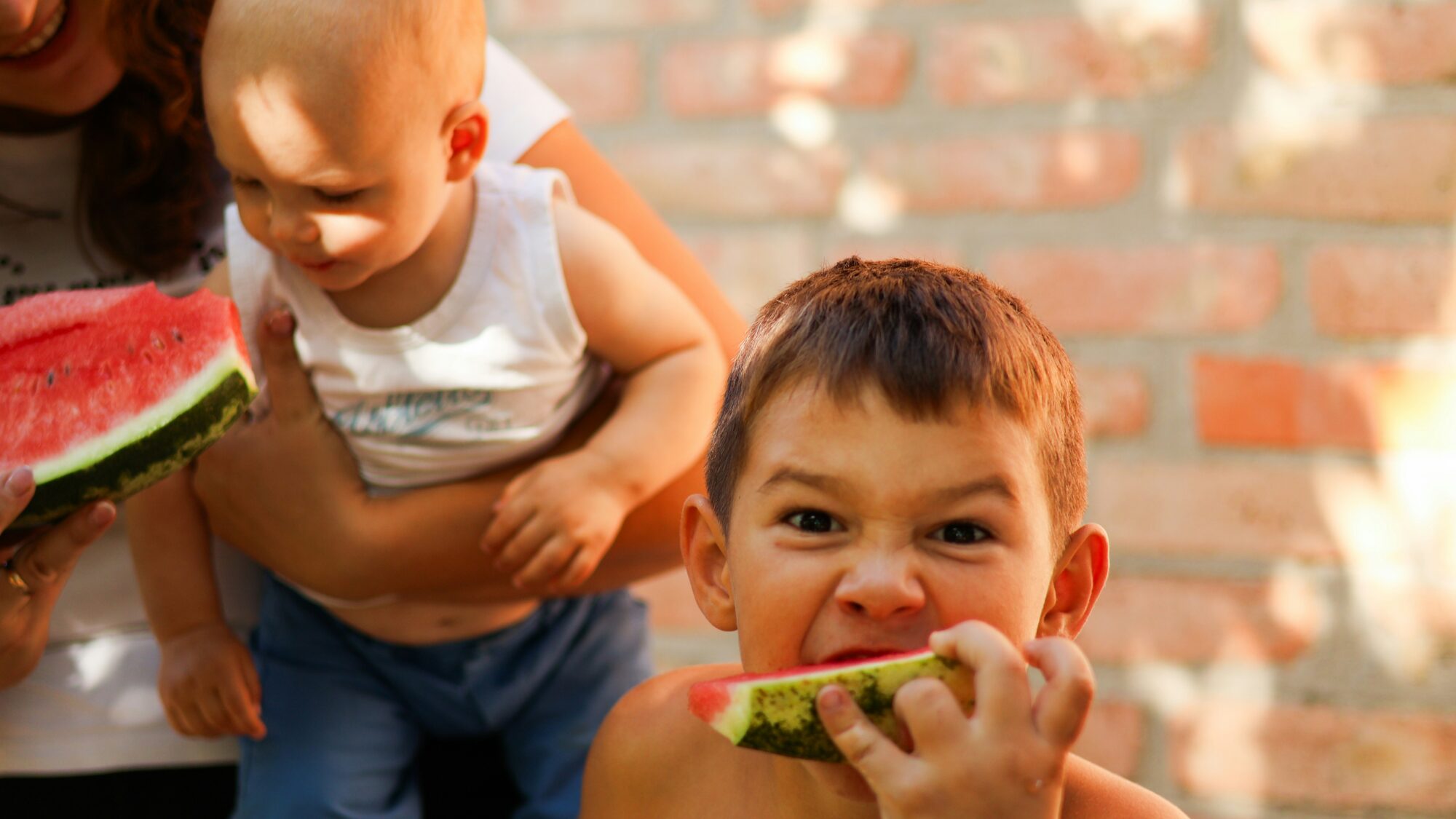
Image: Anna Keibalo, Unsplash